

Curious about lemon laws? Read our Lemon Law FAQ page
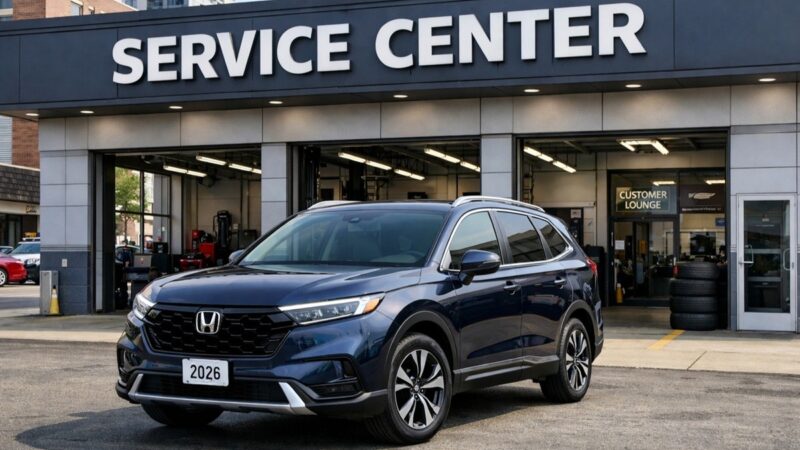
I Reviewed 2026 Honda CR-V Problems: What the Data Shows
Problem analysis of the 2026 Honda CR-V found issues including multiple dashboard warning lights, infotainment screen failures, and steering system malfunctions.
Key Points
- Our team utilized internal data, real owner complaints, and federal safety information to review the issues most often reported by 2026 Honda CR-V owners.
- The leading concern involves infotainment system failures, with owners describing frozen or blacked-out screens, Apple CarPlay problems, audio glitches, and backup camera issues.
- Additional complaints involve dashboard warning lights, safety system alerts, steering problems, and windshield glass failures, and repeated or unresolved defects may support lemon law rights, including possible refund, replacement, or compensation.
I recently received a call from an owner who had just driven their brand new 2026 Honda CR-V off the lot. Within 100 miles, their dashboard lit up like a Christmas tree with ABS warnings, AWD malfunctions, and brake system alerts. That call prompted me to dig into the data and see what I could find.
I’m Sergei Lemberg, and for more than twenty years I’ve worked with consumers on lemon law cases. Over time, you start to notice patterns with certain model years, and the 2026 CR-V is one that has recently caught my attention. I reviewed NHTSA complaints, consumer reports, and owner feedback to better understand what drivers are experiencing. Here’s what I think owners should know.
Most Common 2026 Honda CR-V Problems
I analyzed multiple data sources to identify the most frequently reported 2026 Honda CR-V issues. Based on complaint frequency and severity, the primary problems include:
- Infotainment System Malfunctions: Frequent freezing or blackouts of the touchscreen display, loss of Apple CarPlay connectivity, and random audio glitches impacting usability and safety monitoring.
- Sensor and Warning Light Glitches: Erratic or persistent warnings related to collision mitigation, adaptive cruise control, and parking sensors not matching actual vehicle status.
- Steering System Problems: Owners experience heavy steering, unusual noises, and electrical power steering failures while driving.
- Windshield Glass Failures: Owners report early windshield delamination or sudden spontaneous shattering at highway speeds without any external impact.
Other less frequent issues include vehicle fires, windshield wiper inefficiency, and paint or body defects noted by some owners.
Top Problem #1: Infotainment System Failures
I found many 2026 CR-V owners reporting persistent issues with the infotainment display system. Problems range from the screen going completely black to freezing while driving. Essential features controlled by this system like Apple CarPlay, backup camera, Bluetooth, and audio controls become unreliable or unusable.
Symptoms reported include:
- Touchscreen freezing or shutting off unexpectedly
- Loss of Apple CarPlay connectivity, especially wireless
- Audio system locking up or playing loud static without control
- Backup camera image intermittently blacking out
- System rebooting or voice prompts playing unexpectedly
One owner report detailed the issue like this
“…the infotainment system screen occasionally turned black or would freeze, which prevented the driver from having access to systems or safety features that could only be engaged through the infotainment system. Additionally, the contact stated that the rearview camera image was black due to the failure…. The failure mileage was approximately 28,000.”
Don’t be stuck with a lemon. You have legal rights to cash, return or buyback.
The law makes Honda pay legal fees.
We've fixed thousands of lemon problems. Message or call 877-795-3666 today.
Top Problem #2: Dashboard Warning Lights and Safety System Alerts
The second most commonly reported issue in the 2026 CR-V involves a suite of dashboard warning lights triggering simultaneously without clear cause. Owners experience alerts for:
- Anti-lock Brake System (ABS) failure
- Low-speed braking control problem
- All-Wheel Drive (AWD) malfunction, often limiting power to front wheels only
- Road departure mitigation system faults
- Parking sensor and auto high-beam system errors
An owner reported the problem as follows
“…at around 220 miles, the vehicle’s dashboard displayed major safety warnings: ‘Collision Mitigation Braking System Problem’ and ‘Adaptive Cruise Control System Problem.’ Soon after, a very strong burning smell, similar to fire or overheated brakes came from the vehicle.”
Top Problem #3: Steering System
I found repeated reports of steering system defects in the 2026 Honda CR-V involving abnormal resistance, warning indicators, and loss of electrical power steering. Owners describe the steering wheel becoming increasingly heavy at moderate and highway speeds, sometimes accompanied by noise, and in some cases the vehicle will not move after startup when a steering warning icon appears.
Reported symptoms include:
- Sudden loss of electric power steering assist
- Steering wheel becoming abnormally heavy
- Unusual noises when turning
- Steering warning icon with exclamation point
- Vehicle refusing to move due to steering system errors
- Problems worsening at higher speeds
One owner stated
“My car’s steering wheel started making a noise when turning at around 2,000 miles per hour, and the steering wheel became very heavy when turning. I took it to the Honda service center twice. The first time, they told me there was nothing wrong with the car. The second time, they fixed the noise, but the heavy steering problem remained. When I drive at around 25/35 mph in a 25-35 mph zone, the steering wheel becomes very heavy, and it becomes extremely heavy above 50 mph.”
Curious about recalls? Read our 2025 Honda CR-V Recalls page
What Should You Do If Your 2026 Honda CR-V Is a Lemon?
If your 2026 Honda CR-V exhibits persistent defects that substantially impair its use, value, or safety, your vehicle may qualify as a lemon under state consumer protection laws.
I suggest carefully documenting every issue, repair attempt, and communication with your dealership or manufacturer. Start by keeping detailed logs of symptoms, repair visits, and repair orders. Also, filing complaints with the dealer and NHTSA helps establish a formal record.
Lemberg Law can review your documentation at no cost and determine if your car meets lemon law criteria. We provide free consultations and work on a contingency fee basis, so you do not pay attorney fees unless we win your case.
Click 877-795-3666 now to call us. Or go ahead and fill out our Contact Form. Our services are absolutely free to you.

About the Author:
Sergei Lemberg is an attorney focusing on consumer law, class actions related to automotive issues, and personal injury litigation. With nearly two decades of experience, his areas of practice include Lemon Law (vehicle defects), Debt Collection Harassment, TCPA (illegal robocalls and texts), Fair Credit Reporting Act, Overtime claims, Personal Injury cases, and Class Actions. He has consistently been recognized as the nation's "most active consumer attorney." In 2020, Mr. Lemberg represented Noah Duguid before the United States Supreme Court in the landmark case Duguid v. Facebook. He is also the author of "Defanging Debt Collectors," a guide that empowers consumers to fight back against debt collectors and prevail, as well as "Lemon Law 101: The Laws That Lemon Dealers Don't Want You to Know."
See more posts from Sergei Lemberg BE THE FIRST TO COMMENT